
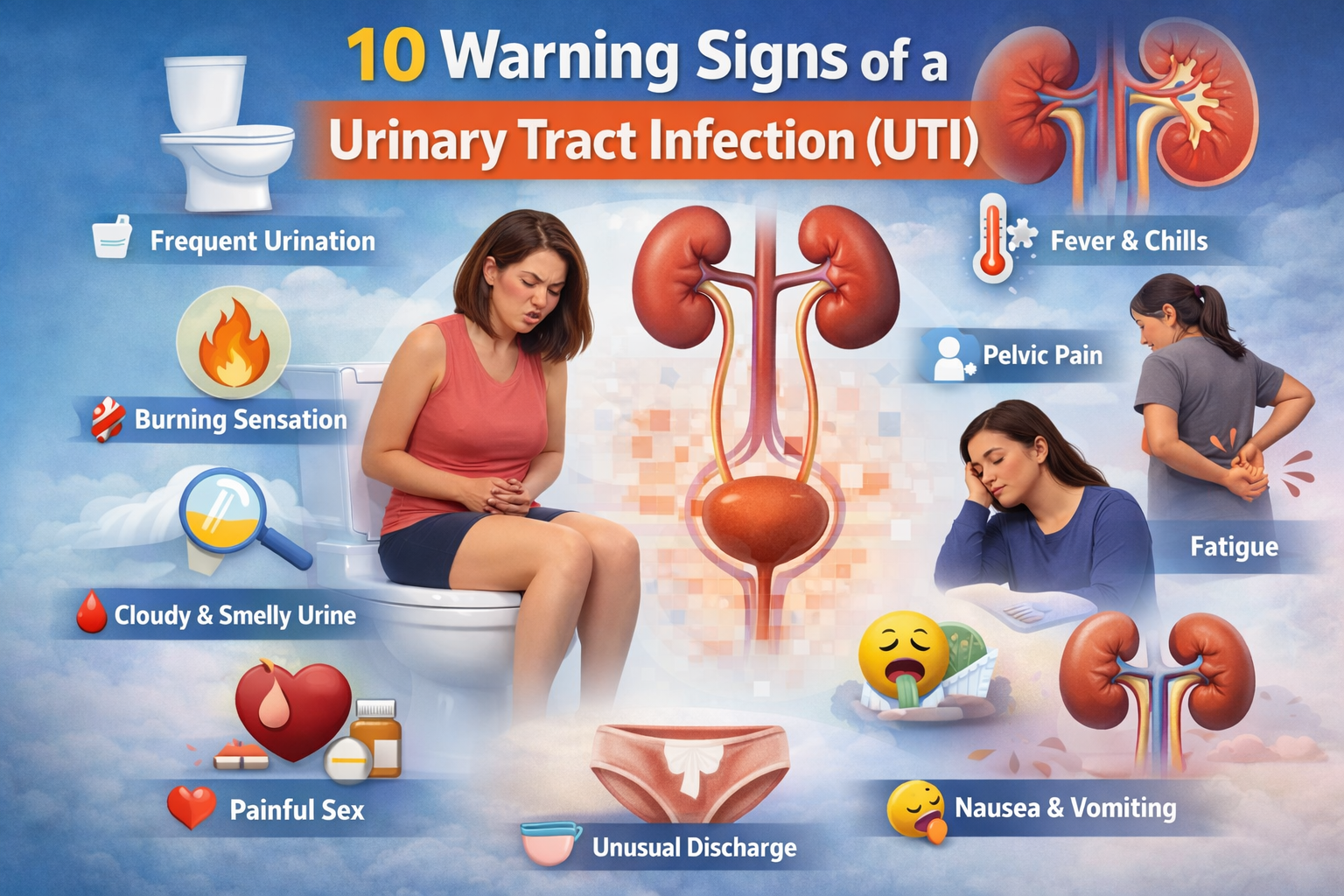
Have you ever felt an uncomfortable burning sensation while urinating, noticed unusual changes in your urine, or experienced sudden pelvic pain? These can all be warning signs of a urinary tract infection (UTI). UTIs are among the most common bacterial infections worldwide, affecting millions of people each year, especially women. While some UTIs may be mild, ignoring the warning signs can lead to serious complications, including kidney infections.
At Nakshatra Clinic, we often see patients who delay treatment because they ignore early symptoms. Recognizing the warning signs early can prevent complications and ensure timely care.
In this article, we'll explore 10 warning signs of a UTI, explain why they occur, discuss risk factors, and share practical tips to prevent infections. By the end, you'll know how to recognize early symptoms and take action before the infection worsens.
What is a Urinary Tract Infection?
A urinary tract infection (UTI) occurs when harmful bacteria, most commonly Escherichia coli (E. coli), enter the urinary tract. The urinary system includes:
- Kidneys: Filter blood to produce urine
- Ureters: Tubes that carry urine from the kidneys to the bladder
- Bladder: Stores urine until it's expelled
- Urethra: The tube that releases urine outside the body
Why UTIs happen: Normally, urine is sterile. However, bacteria can travel from the urethra into the bladder or kidneys, causing inflammation. Women are more prone to UTIs due to their shorter urethra, which allows bacteria to reach the bladder more easily.
Types of UTIs
Lower UTI: Affects the bladder (cystitis) or urethra (urethritis). Common symptoms include burning urination and frequent urges.
Upper UTI: Affects the kidneys (pyelonephritis). Symptoms are more severe and include fever, chills, back pain, and nausea.
Risk Factors
Understanding risk factors can help identify who is most vulnerable:
- Gender: Women are more prone due to anatomical differences
- Sexual activity: Bacteria can enter the urinary tract during intercourse
- Certain contraceptives: Diaphragms or spermicides may increase risk
- Urinary catheters: Long-term catheter use increases infection chances
- History of recurrent UTIs: Some people are more susceptible
- Menopause: Hormonal changes can alter the urinary tract environment
Pro Tip: Staying aware of these risk factors helps you take preventive measures and spot infections early.
10 Warning Signs of a Urinary Tract Infection (UTI)
UTIs can start subtly, and sometimes people ignore mild symptoms, thinking they'll go away. Recognizing the warning signs early can prevent complications like kidney infections. Here's a deep dive into each of the 10 most common symptoms, why they occur, and what to watch for.
1. Frequent Urge to Urinate
What it feels like: You feel the need to urinate constantly, even if your bladder isn't full. Sometimes only a few drops pass each time.
Why it happens: Bacteria inflame the bladder lining, sending repeated signals to the brain that the bladder is full. This is one of the most common UTI symptoms.
Additional insights: Nighttime urination may increase. More noticeable in women due to shorter urethra.
Tip: Track the frequency and volume of your urination to help your doctor assess the severity and pattern.
2. Burning Sensation During Urination (Dysuria)
What it feels like: Pain, stinging, or burning while urinating. Some describe it as a sharp pinch or continuous discomfort.
Why it happens: Urethra and bladder lining become inflamed due to bacterial infection.
Extra insights: Burning may worsen toward the end of urination or during sexual activity.
Tip: Avoid perfumed soaps, feminine sprays, or harsh detergents during an active UTI.
3. Cloudy or Foul-Smelling Urine
Observation: Urine may look cloudy, darker than usual, or have a strong, unpleasant odor.
Why it happens: White blood cells, bacteria, and sometimes red blood cells alter urine color and smell.
Extra insights: Cloudiness may come with unusual consistency. Strong odors often indicate bacterial overgrowth.
Tip: Track urine changes and share details with your healthcare provider.
4. Blood in Urine (Hematuria)
Observation: Urine may appear pink, red, or brown.
Why it happens: Infections can damage the bladder or urethra lining. Microscopic blood may only be visible in lab tests.
Extra insights: Could indicate kidney stones or other issues. Hematuria with burning or frequent urination almost always indicates infection.
Tip: Any visible blood in urine requires urgent medical evaluation.
5. Pelvic or Lower Back Pain
Observation: Pain or pressure in the lower abdomen or pelvic area. Severe cases may radiate to lower back or sides.
Why it happens: Infection inflames the bladder or kidneys, triggering discomfort or radiating pain.
Differentiation: Bladder infection - pelvic region pain. Kidney infection - radiates to lower back/sides, often with fever or nausea.
Tip: Persistent or worsening pain should never be ignored.
6. Feeling Tired or Weak
Observation: Fatigue, low energy, or general malaise.
Why it happens: Immune system fights infection, draining energy.
Extra insights: Even mild UTIs can cause tiredness. Recurrent UTIs may cause ongoing fatigue.
Tip: Rest and hydration are important. Consult a healthcare professional if fatigue persists.
7. Fever or Chills
Observation: Mild to high fever with chills or shivering.
Why it happens: Indicates bacteria may have reached the kidneys (upper UTI).
Extra insights: Often accompanied by back pain, nausea, and vomiting.
Tip: Never ignore a UTI with fever. Early treatment prevents kidney damage.
8. Pain During Sexual Intercourse
Observation: Discomfort or pain in the pelvic area during sex.
Why it happens: Inflamed urethra or bladder makes sexual activity uncomfortable.
Extra insights: More common in women, but men can experience discomfort too.
Tip: Avoid sexual activity until symptoms resolve and consult a doctor if pain persists.
9. Unusual Vaginal Discharge
Observation: Vaginal discharge may become thick, cloudy, or foul-smelling.
Why it happens: Bacterial overgrowth in the urinary tract can affect vaginal tissues.
Extra insights: Differentiate from yeast infections (itching, white discharge). If discharge accompanies burning urination or pelvic pain, it's likely UTI-related.
Tip: Track changes and consult a healthcare professional.
10. Nausea or Vomiting (Severe Cases)
Observation: Feeling sick, sometimes vomiting, often with fever and back pain.
Why it happens: Infection may have reached the kidneys (upper UTI).
Extra insights: Can lead to dehydration if vomiting is severe.
Tip: Seek immediate medical attention if nausea or vomiting accompanies fever, back pain, or blood in urine.
Frequently Asked Questions (FAQs)
Q1: How do I know if I have a UTI?
UTIs often present with burning during urination, frequent urges, cloudy or foul-smelling urine, and pelvic discomfort. Mild UTIs may not show severe symptoms, but if you notice multiple warning signs, it's best to consult a healthcare provider for proper diagnosis and treatment.
Q2: Can UTIs cause back pain?
Yes. Lower UTIs usually cause pelvic discomfort, while upper UTIs affecting the kidneys can lead to pain in the lower back or sides. Accompanying symptoms may include fever, chills, or nausea, signaling a more serious infection that requires immediate medical attention.
Q3: Are UTI symptoms different in men, women, and children?
Women commonly experience burning urination and pelvic pressure. Men may notice urinary obstruction or discomfort. Children often show irritability, bedwetting, or fever. Age and gender affect symptom presentation, so recognizing these differences is important for timely diagnosis and treatment.
Q4: Can UTIs resolve on their own?
Some mild UTIs may improve without antibiotics, but most require medical treatment to prevent complications. Untreated UTIs can progress to kidney infections, causing fever, nausea, or severe pain. Always consult a healthcare provider to ensure proper management and reduce the risk of recurrent infections.
Q5: How can I distinguish a UTI from a yeast infection?
UTIs usually cause burning during urination, frequent urges, and cloudy or bloody urine. Yeast infections primarily cause itching, irritation, and thick white discharge. Accurate diagnosis is essential, as the treatment differs: UTIs often require antibiotics, while yeast infections need antifungal medications.
Q6: What should I do if I have recurrent UTIs?
Recurrent UTIs - occurring two or more times in six months-require a medical evaluation to identify underlying causes. Preventive strategies include staying hydrated, practicing proper hygiene, using probiotics, and sometimes taking low-dose antibiotics as prescribed. Monitoring symptoms and lifestyle changes can reduce recurrence risk.
Q7: Can diet affect UTI symptoms?
Yes. Drinking plenty of water helps flush bacteria, while avoiding caffeine, alcohol, and highly sugary foods reduces bladder irritation. Cranberry juice or supplements may help prevent bacterial adherence. A balanced diet rich in fruits and vegetables supports urinary and overall health.
Q8: When should I see a doctor for a UTI?
Seek medical attention if you experience blood in urine, fever, chills, back pain, nausea, or persistent urinary discomfort. Prompt treatment prevents the infection from reaching the kidneys and reduces the risk of complications. Even mild symptoms should be evaluated if they persist or worsen.
When to See a Doctor
Seek medical attention immediately if you notice any of the following symptoms:
- Blood in urine
- Fever or chills
- Severe pelvic or back pain
- Nausea or vomiting
Early diagnosis ensures proper treatment and prevents complications such as kidney infections. Healthcare providers at Nakshatra Clinic often emphasize that recognizing these symptoms early and seeking timely medical care can help prevent more serious urinary tract complications.
Prevention Tips
1. Stay Hydrated
Drinking plenty of water helps flush out bacteria from the urinary tract before they can multiply. Aim for at least 6-8 glasses of water daily. Staying hydrated also reduces urine concentration, minimizing irritation in the bladder and urethra. Regular hydration is one of the simplest yet most effective ways to prevent UTIs.
2. Practice Good Hygiene
Proper hygiene plays a critical role in preventing UTIs. Always wipe from front to back after using the restroom to avoid transferring bacteria from the anal area to the urethra. Avoid using harsh soaps or douches in the genital area, as they can disrupt natural bacterial balance and increase infection risk.
3. Urinate After Sexual Activity
Emptying your bladder soon after sexual intercourse helps flush out bacteria that may have entered the urethra. Consider urinating within 15-30 minutes after intercourse as a preventive habit, especially if you are prone to UTIs.
4. Avoid Irritants
Certain products can irritate the urinary tract, increasing UTI risk. Avoid scented soaps, feminine sprays, douches, bubble baths, and harsh detergents. Stick to mild, unscented products for genital hygiene to maintain the natural protective balance.
5. Consider Probiotics
Probiotics, such as Lactobacillus, support urinary and gut health by promoting beneficial bacteria that can prevent harmful bacteria from multiplying. Yogurt, kefir, or supplements may help maintain a balanced microbiome. Regular probiotic intake may lower UTI risk, especially for individuals who experience frequent or recurrent infections.
6. Cranberry Products
Cranberry juice or capsules may help prevent UTIs by preventing bacteria, particularly E. coli, from adhering to the bladder walls. Choose unsweetened cranberry products to maximize benefits. While not a cure, incorporating cranberry products into your routine can serve as a natural supplement for UTI prevention.
7. Clothing Choices
Wearing breathable clothing, especially cotton underwear, helps keep the genital area dry and reduces bacterial growth. Avoid tight-fitting pants that trap heat and moisture, which can create an ideal environment for infections. Comfortable, breathable clothing is a small but effective step toward lowering the risk of urinary tract infections.
Lifestyle and Diet Tips
- Maintain a balanced diet rich in water, fruits, and vegetables.
- Avoid excessive caffeine and alcohol, which can irritate the bladder.
- Monitor symptoms regularly and keep a symptom diary for recurrent infections.
Conclusion
Recognizing the 10 warning signs of a urinary tract infection is crucial for your health. From frequent urination and burning sensations to blood in urine and fever, these symptoms are your body's way of signaling an infection. By understanding the signs, acting promptly, and following preventive strategies, you can minimize discomfort and prevent serious complications.
Remember: If you experience multiple symptoms or severe signs like fever, back pain, or blood in urine, consult a healthcare provider immediately. Early intervention is the key to recovery and long-term urinary health.
Takeaway: Pay attention to your body, stay hydrated, and don't ignore warning signs. Your urinary health matters, and quick action can make all the difference.