Precise diagnosis
Pelvic exam, ultrasound, MRI, or hysteroscopy may be used to map fibroid size and location.

Personalized care for fibroids, myomas, heavy menstrual bleeding, pelvic pain, pressure symptoms, and fertility-related concerns.
Pelvic exam, ultrasound, MRI, or hysteroscopy may be used to map fibroid size and location.
Plans address heavy bleeding, pelvic pain, bloating, pressure, urinary symptoms, or anemia.
Care choices are discussed in relation to pregnancy plans and uterine health.
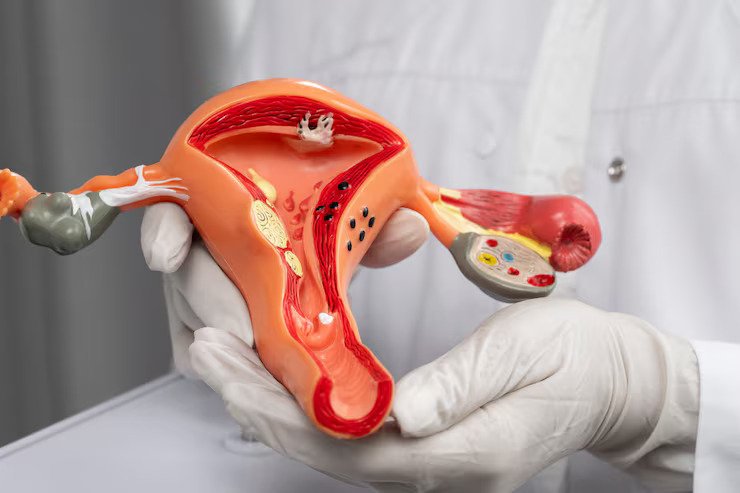
Uterine fibroids, also called myomas, are noncancerous growths in or around the uterus. They can vary in size and number, and some women may have no symptoms. Others may experience heavy menstrual bleeding, pelvic pain, frequent urination, constipation, bloating, or fertility and pregnancy concerns. Treatment at Nakshatra Clinic is planned after careful diagnosis and discussion of your symptoms and reproductive goals.
Common fibroid symptoms and diagnostic signs that may need gynaecology evaluation.
Fibroids may cause heavy or prolonged periods and fatigue related to anemia.
Fibroids can create pelvic heaviness, discomfort, bloating, or pressure on nearby organs.
Large fibroids may cause frequent urination, constipation, or abdominal swelling.
Imaging helps understand fibroid size, number, and position before treatment decisions.
Hysteroscopy may be advised when fibroids affect the uterine cavity or bleeding pattern.
Fibroids near the uterine cavity or tubes may need attention before conception planning.
Treatment can range from observation to medicines or procedures, depending on symptoms, fibroid profile, age, and fertility plans.
Small fibroids without symptoms may be monitored with regular follow-up and imaging.
Medicines may help reduce bleeding, pain, or anemia while planning longer-term treatment.
Fibroid removal may be considered when uterus-sparing treatment is suitable or fertility goals matter.
Uterine fibroid embolization or radiofrequency ablation may be discussed for selected cases.
Hysterectomy may be discussed only when clinically suitable and family-building is complete.
Follow-up supports symptom control, anemia correction, recurrence monitoring, and pregnancy planning.
These service destinations support related uterine, pelvic, and fertility concerns.
Uterine fibroids, also called myomas, are noncancerous growths in or around the uterus. They may cause heavy bleeding, pelvic pain, bloating, or pressure symptoms.
Symptoms can include heavy menstrual bleeding, pelvic pain, frequent urination, constipation, bloating, and fatigue from anemia. Some women may have no symptoms.
Fibroids are typically diagnosed through pelvic examination, ultrasound, MRI, or hysteroscopy to understand their size and location.
Treatment options may include observation, medication, myomectomy, hysterectomy, uterine fibroid embolization, or radiofrequency ablation depending on the case.
Large fibroids or fibroids affecting the uterine cavity or fallopian tubes can interfere with conception or pregnancy. Early diagnosis helps plan fertility-conscious care.
Book a consultation at Nakshatra Clinic in Baner, Pune to discuss fibroid symptoms, imaging, treatment options, fertility goals, and follow-up care.