Prompt diagnosis
Urine routine, microscopy, and culture are used when needed to identify infection accurately.

Diagnosis-led urinary tract infection care with urine testing, antibiotics when appropriate, symptom relief, and prevention guidance for recurrent UTIs.

Urine routine, microscopy, and culture are used when needed to identify infection accurately.
Antibiotics and treatment duration are planned according to severity and test findings.
Hydration, hygiene, irritant avoidance, and follow-up reduce the chance of recurrent infection.
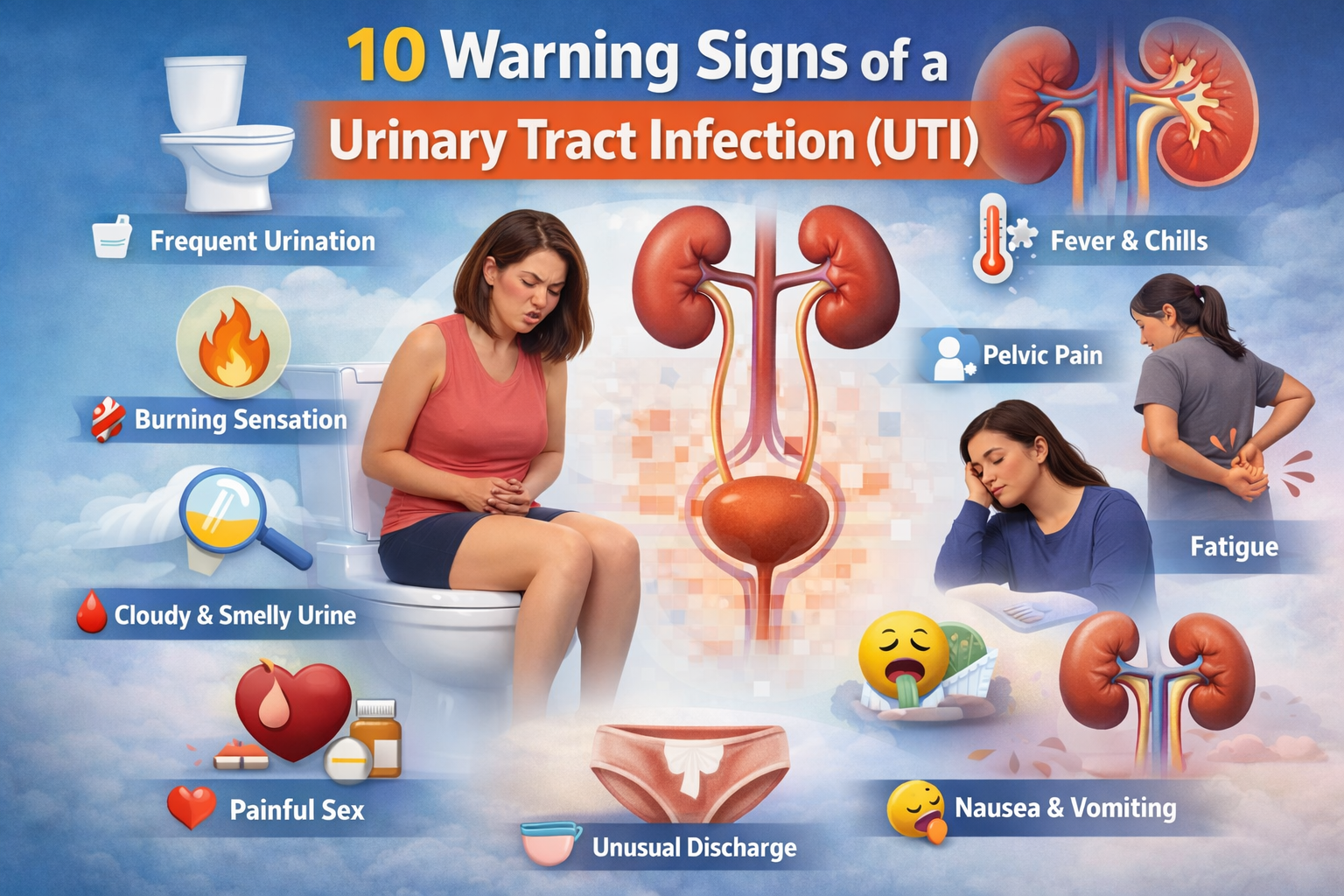
Urinary tract infections can affect the bladder, urethra, or kidneys and may cause burning urination, frequent urges, cloudy or foul-smelling urine, pelvic pain, or blood in urine. At Nakshatra Clinic in Baner, Pune, UTI care focuses on confirming the infection, selecting appropriate treatment, and giving practical guidance to prevent recurrence.
Common symptoms and risk factors are grouped clearly so patients can seek timely care without waiting for symptoms to worsen.
Pain or burning while passing urine is one of the most common reasons to get urine testing and medical review.
A repeated urge to urinate, passing small amounts, or nighttime frequency can suggest bladder irritation or infection.
Urine color, smell, or visible blood may need urine routine and culture testing to guide treatment.
Lower abdominal or pelvic discomfort can occur with bladder infection and should be assessed if persistent.
Repeated infections may need culture-guided treatment, trigger review, imaging if needed, and prevention planning.
Sexual activity, hygiene practices, contraceptive use, diabetes, pregnancy plans, and menopause can affect UTI risk.
Care is focused on fast symptom control, accurate treatment, and long-term urinary health habits.
Urine routine, microscopy, and culture are advised according to symptoms, severity, and recurrence pattern.
Antibiotics are selected based on clinical need and culture findings when available, with instructions to complete the course.
Practical advice on water intake, hygiene, and bladder irritants supports recovery and prevention.
Review is planned when symptoms persist, infections recur, or additional testing is required.
These service destinations support related reproductive, gynecology, and pregnancy care needs.
A UTI is a bacterial infection affecting the urinary system, including the bladder, urethra, and kidneys. Symptoms may include burning urination, frequent urges, and cloudy urine.
Symptoms include burning while urinating, frequent urges, cloudy or foul-smelling urine, pelvic pain, and sometimes blood in urine.
The most common cause is bacteria entering the urinary tract. Hygiene practices, sexual activity, and postmenopausal changes can increase the risk.
Yes, UTIs are typically treated with antibiotics. The medicine and duration depend on symptoms, severity, and test findings.
Yes, women are more likely to get UTIs due to a shorter urethra. Men can also experience UTIs, especially with underlying health factors.
Hydration, good hygiene practices, avoiding irritants, and timely medical care can help reduce recurrence risk.
Book a consultation at Nakshatra Clinic in Baner, Pune for urinary tract infection evaluation, urine testing, treatment planning, and prevention guidance.