Focused diagnosis
Assessment for uterine adhesions, Asherman's Syndrome, bleeding changes, pain, and fertility impact.

Hysteroscopic evaluation and adhesiolysis care for uterine scar tissue, Asherman's Syndrome, menstrual changes, pain, and fertility concerns.
Assessment for uterine adhesions, Asherman's Syndrome, bleeding changes, pain, and fertility impact.
Minimally invasive adhesiolysis is used to cut and remove scar tissue precisely.
Post-treatment care supports endometrial healing and future reproductive planning.
Uterine adhesions are bands of scar tissue that can form inside the uterus and cause the uterine walls to stick together. They may develop after dilation and curettage (D&C), uterine surgery, infection, or trauma to the endometrium. These adhesions can affect menstrual flow, cause pelvic pain, and contribute to infertility or recurrent miscarriage.
The original clinical concerns are presented as readable cards for easier scanning.
Scar tissue may affect menstrual flow, leading to lighter periods or absent bleeding.
Adhesions can block or distort the uterine cavity, affecting implantation and pregnancy continuation.
Pain or abnormal symptoms after uterine procedures, infection, or trauma may require evaluation.
Treatment is planned to restore the uterine cavity, support healing, and reduce recurrence risk.
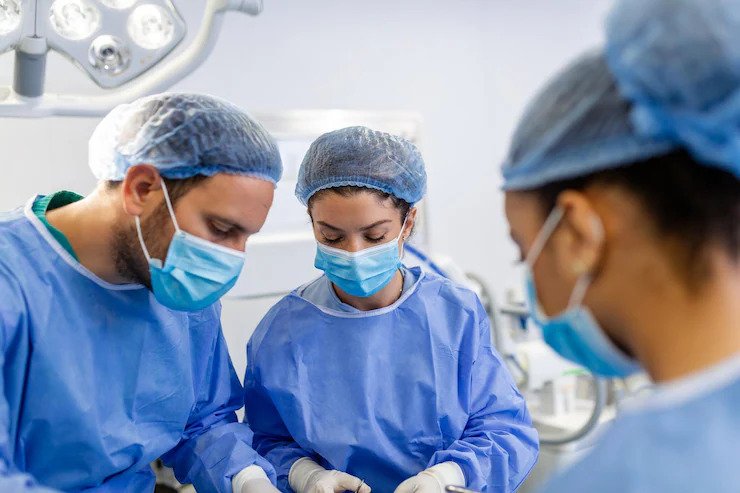
This minimally invasive procedure uses a hysteroscope and tiny instruments or lasers to cut and remove scar tissues precisely without damaging healthy tissue.
After surgical removal, estrogen support may be prescribed to stimulate endometrial lining regrowth, support healing, and regulate menstrual cycles.
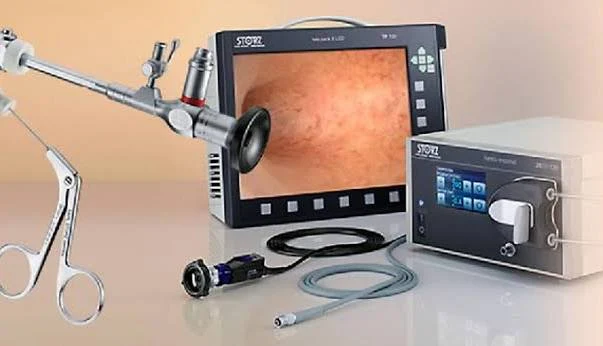
A uterine stent or balloon may be placed temporarily, follow-up hysteroscopies may monitor healing, and antibiotics or hormonal therapy may support recovery.
Uterine adhesions, also called Asherman's Syndrome, occur when scar tissue forms inside the uterus, causing its walls to stick together. This can lead to irregular periods, infertility, or pain. At Nakshatra Clinic, Baner, Pune our gynecologists diagnose and treat adhesions using advanced hysteroscopic methods for safe and effective recovery.
Adhesions usually develop after dilation and curettage (D&C), uterine surgery, infection, or trauma to the endometrium. These scar tissues block the uterine cavity, affecting fertility. Our Baner, Pune gynecologists identify the root cause and create a customized treatment plan to restore uterine health.
Common symptoms include scanty or absent periods, pelvic pain, infertility, and recurrent miscarriages. Some women may experience normal cycles but still struggle to conceive. If you notice these signs, consult our gynecology experts in Baner, Pune for early diagnosis and treatment.
Yes. Many women successfully conceive after hysteroscopic removal of adhesions, especially when the uterine cavity is restored early. Our fertility specialists in Baner, Pune focus on improving endometrial health and natural conception chances after treatment.
Hysteroscopic adhesiolysis is a minimally invasive procedure to remove scar tissues inside the uterus using precision instruments or lasers. It restores the uterine cavity and improves fertility outcomes. At our Baner, Pune center, this procedure is performed by expert laparoscopic gynecologists.
No, the procedure is usually performed under anesthesia, so you will not feel pain. Some mild cramping or spotting may occur afterward, which subsides quickly. Our Baner, Pune gynecologists ensure a comfortable experience with personalized post-surgery care.
Book a consultation at Nakshatra Clinic in Baner, Pune to discuss symptoms, diagnosis, hysteroscopic adhesiolysis, and post-treatment recovery support.