Comprehensive diagnostics
Evaluation of embryos, uterus, hormones, immune profile, and endometrial receptivity.

Personalized fertility evaluation and IVF planning for repeated embryo transfer failures, uterine receptivity concerns, embryo factors, and immune or hormonal contributors.
Evaluation of embryos, uterus, hormones, immune profile, and endometrial receptivity.
Protocols are shaped around embryo quality, transfer history, and uterine readiness.
Medical treatment is paired with emotional support, lifestyle guidance, and counseling.

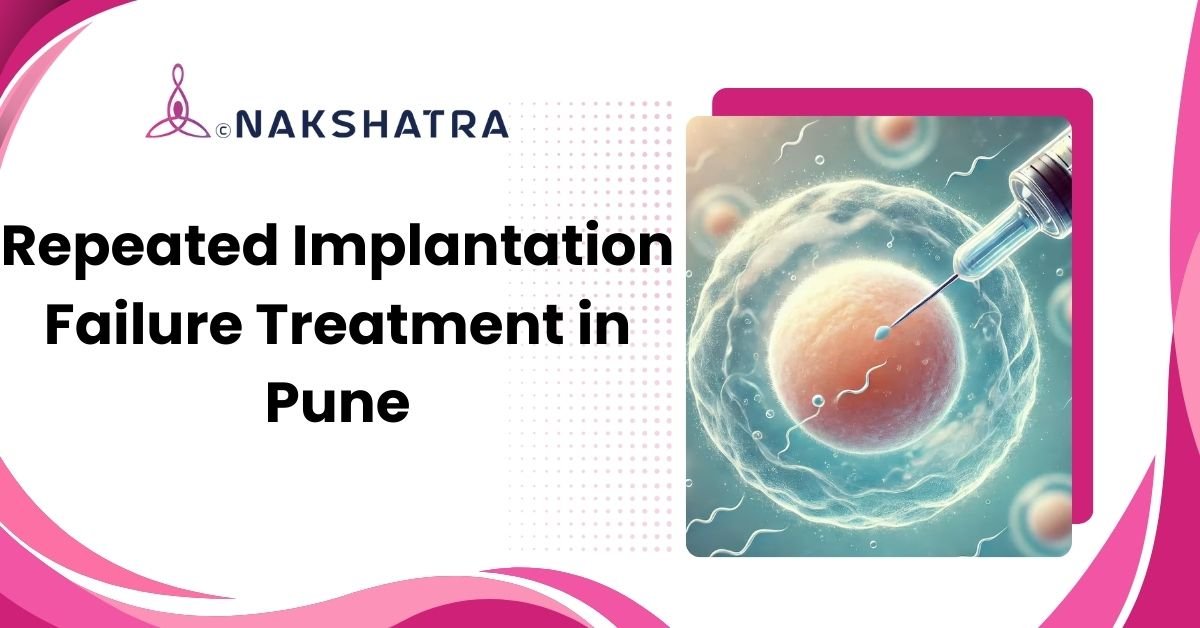
Repeated Implantation Failure (RIF) refers to the repeated inability of embryos to implant in the uterus after multiple IVF cycles. It can involve embryo quality, chromosomal abnormalities, uterine issues like fibroids or scarring, hormonal imbalance, endometrial receptivity concerns, or immune-related factors. A careful evaluation helps identify possible contributors and plan treatment more precisely.
Key areas evaluated when embryo implantation has failed repeatedly.
Embryo development, blastocyst-stage transfer, chromosomal testing, and lab-related factors may be reviewed.
Fibroids, scarring, adhesions, polyps, or cavity changes can affect implantation and may need uterine evaluation.
Hormonal imbalance or immune-related concerns may be assessed before planning another transfer.
Care is personalized based on embryo factors, uterine findings, receptivity, and previous IVF response.

Uterine evaluation and treatment may address cavity concerns, scarring, fibroids, or endometrial preparation issues before transfer.

Advanced IVF approaches may include blastocyst-stage transfer, assisted hatching, IMSI, or PGT-A when clinically suitable.

Endometrial receptivity testing, window-of-implantation optimization, and tailored endometrial preparation may be considered.

When immune-related concerns are suspected, supportive therapies may be discussed as part of a broader treatment plan.

Treatment is individualized based on embryo quality, uterine health, immune profile, and previous IVF cycle history.
Why couples choose Nakshatra IVF for repeated implantation failure evaluation and care.
Clinical planning focuses on complex fertility cases, embryo transfer history, and uterine readiness.
Embryo transfer protocols are adjusted using clinical history and diagnostic findings.
Care is individualized based on embryo quality, uterine health, and immune profile.
Medical treatment is supported by emotional care, lifestyle guidance, and counseling.
Embryos, uterus, hormones, and endometrial receptivity are reviewed together.
Serving Baner, Wakad, Ravet, and Pimpri-Chinchwad.
Nakshatra Clinic in Baner, Pune provides evaluation and treatment planning for repeated implantation failure, including review of embryo factors, uterine factors, hormonal status, and previous IVF history.
RIF can result from multiple factors, including poor embryo quality, chromosomal abnormalities, uterine issues like fibroids or scarring, hormonal imbalances, or immune-related problems. Identifying the root cause helps doctors create a personalized treatment plan to improve implantation chance.
Immunotherapy helps regulate the immune system to prevent rejection of embryos. Treatments such as IVIG, intrauterine PBMC infusion, PRP therapy, or tacrolimus enhance the uterine environment, increasing the chances of embryo acceptance and successful implantation.
Most RIF treatments, including IVF procedures, hysteroscopy, and immunotherapies, are minimally invasive or performed with sedation. Discomfort is usually mild, and specialists provide guidance and support to ensure patient comfort throughout the process.
A receptive endometrium is critical for embryo implantation. Treatments like Endometrial Receptivity Array (ERA) testing, growth hormone therapy, or WOI optimization ensure the uterus is ready, improving the likelihood of a successful pregnancy in women experiencing RIF.
Treatments include advanced IVF techniques like blastocyst-stage transfer, assisted hatching, IMSI, and PGT-A, immunomodulatory therapies, uterine treatments, and optimization of endometrial receptivity. Personalized plans address the underlying cause for each patient to maximize implantation success.
Book a consultation at Nakshatra Clinic in Baner, Pune to discuss RIF evaluation, uterine health, endometrial receptivity, and personalized IVF planning.