Diagnosis-led care
Semen analysis, hormone tests, ultrasound, and advanced testing guide the next step.

Advanced diagnostics and personalised male fertility treatment for low sperm count, poor motility, DNA fragmentation, azoospermia, varicocele, and related concerns.
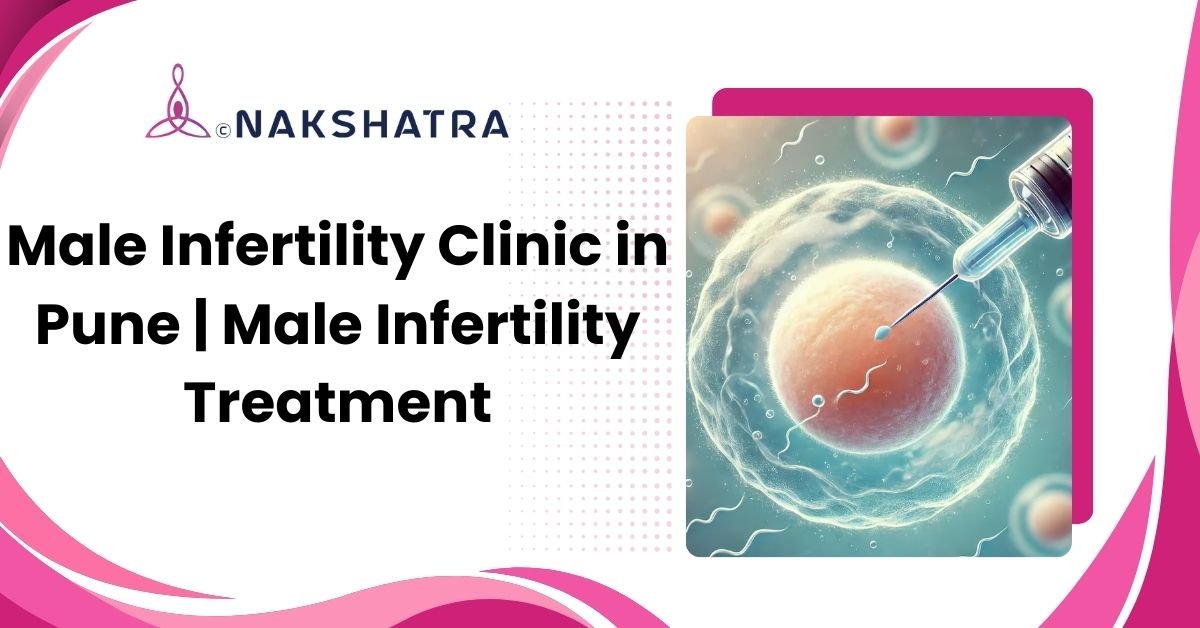
Semen analysis, hormone tests, ultrasound, and advanced testing guide the next step.
Medicines, hormones, antioxidants, diet, and habit changes are used when suitable.
Varicocele care, sperm retrieval, IUI, IVF, or ICSI may be advised based on findings.

Male infertility is more common than many couples realise, and it is often treatable when the cause is identified correctly. At Nakshatra IVF & Sexual Wellness Clinic in Pune, evaluation and treatment may include semen analysis, hormone testing, ultrasound, genetic or DNA fragmentation testing, medical therapy, surgical correction, sperm retrieval, and assisted reproduction such as IVF or ICSI when needed.
Common male fertility conditions that can affect conception and reproductive health.
No sperm in semen may need deeper testing and procedures such as TESA, PESA, or Micro-TESE for sperm retrieval.
Low sperm count may be linked to hormonal, lifestyle, varicocele, infection, heat, or medical factors.
Damaged sperm DNA can affect fertilization and embryo development, so DFI testing may be advised.
Low count, poor motility, and abnormal morphology are assessed together for a combined treatment plan.
Treatment may combine medical care, lifestyle guidance, procedures, and assisted reproductive techniques depending on test results.
A plain-language guide to when an evaluation may help, how it usually proceeds and what treatment can and cannot do.
Couples who have not conceived after 12 months of regular unprotected intercourse are usually advised to seek assessment, and your doctor may suggest it sooner depending on age and medical history. An evaluation may also be considered after an abnormal semen report, with a history of varicocele, undescended testis, infection, injury or surgery, after treatments such as chemotherapy or radiotherapy, or before starting IUI or IVF. The man is assessed alongside the female partner, not after her.
It generally begins with a medical history and physical examination. A semen analysis and hormone tests usually follow, and semen results can vary between samples, so your specialist may ask for the test to be repeated. Depending on the findings, a scrotal ultrasound, genetic tests or sperm DNA fragmentation testing may be discussed in selected cases.
A report may show a low sperm count, reduced movement, an unusual shape, a combination of these, damaged sperm DNA, or no sperm seen in the sample. Each finding leads to different next steps, so results are always read together with your history, examination and your partner’s assessment.
Male fertility can be linked to other health conditions, so the assessment looks at general health as well as the semen result. Medicines, past illnesses, surgery and lifestyle factors are usually part of the conversation.
Bring earlier semen reports, a list of current medicines, your illness and surgery history, and your partner’s reports if available. Instructions for giving a sample come from the laboratory. Results are explained in context rather than in isolation, and further tests are suggested only if they are likely to help.
Options may include a lifestyle review, treating an identified cause such as a varicocele in selected men, and fertility treatment such as IUI, IVF or ICSI, chosen by the sperm findings and by factors in the female partner. When no sperm are found in the semen, TESA or Micro-TESE may be discussed for selected men.
Sperm production takes about three months, so changes in lifestyle or treatment take time to show up on a repeat test. Not every cause can be treated, results differ from one sample to the next, and fertility treatment depends on both partners. Your specialist will talk through the options that suit your situation.
What do my semen results show, and how reliable are they? Should the test be repeated, and when? Which further tests do you recommend, and why? Is there a treatable cause such as a varicocele? How will my results affect the choice between IUI, IVF and ICSI? What should my partner be checked for?
If you would like your semen report or symptoms discussed, you can book a consultation or message us on WhatsApp using the buttons on this page. Please bring any earlier reports so they can be looked at together.
Explore related male fertility treatments and advanced diagnostic options.
Male infertility refers to difficulty contributing to conception due to low sperm count, poor motility, abnormal sperm shape, hormonal imbalance, or other reproductive health factors.
Common causes include low sperm count, varicocele, hormonal imbalance, infections, genetic issues, stress, smoking, alcohol use, obesity, and heat exposure.
Many cases can be managed with medicines, hormone therapy, antioxidants, lifestyle changes, and nutritional support. Surgery is considered only when it is clinically suitable.
IVF and ICSI can help when sperm count, motility, morphology, or fertilization concerns make natural conception difficult.
Treatment options may include medication, hormone therapy, varicocele care, antioxidant support, sperm retrieval procedures, IUI, IVF, or ICSI depending on diagnosis.
Diagnosis may include semen analysis, hormonal profiling, scrotal ultrasound, genetic testing, and sperm DNA fragmentation testing where needed.
WHO defines infertility as not conceiving after 12 months of regular unprotected intercourse. Your doctor may advise assessment sooner depending on age and medical history, and the man is normally assessed alongside the female partner rather than afterwards.
Semen results vary from sample to sample. WHO suggests repeating the test after at least 11 weeks if any result is outside the reference range, and not repeating it if all results are within range. Your doctor explains the timing for your case.
For some men with a clinical varicocele and abnormal semen results, WHO suggests surgical or radiological treatment over simply waiting, particularly for couples not going on to assisted reproduction. Whether it is suitable depends on examination and test results, so it is discussed individually.
Male infertility can be linked to other health conditions, so guidelines advise looking at overall health as well as the semen result. The assessment may include a history, examination and selected tests.
Book a consultation at Nakshatra Clinic in Baner, Pune to discuss diagnosis-led treatment for sperm health, hormones, varicocele, sperm retrieval, IVF, or ICSI planning.