
Infertility is a deeply personal and emotional journey for many women and couples in India. If you've been trying to conceive without success, you're not alone. Female infertility is more common than many people realize, and in most cases, it has clear medical or lifestyle-related causes. The good news? Many of these causes are treatable with the right diagnosis and care.
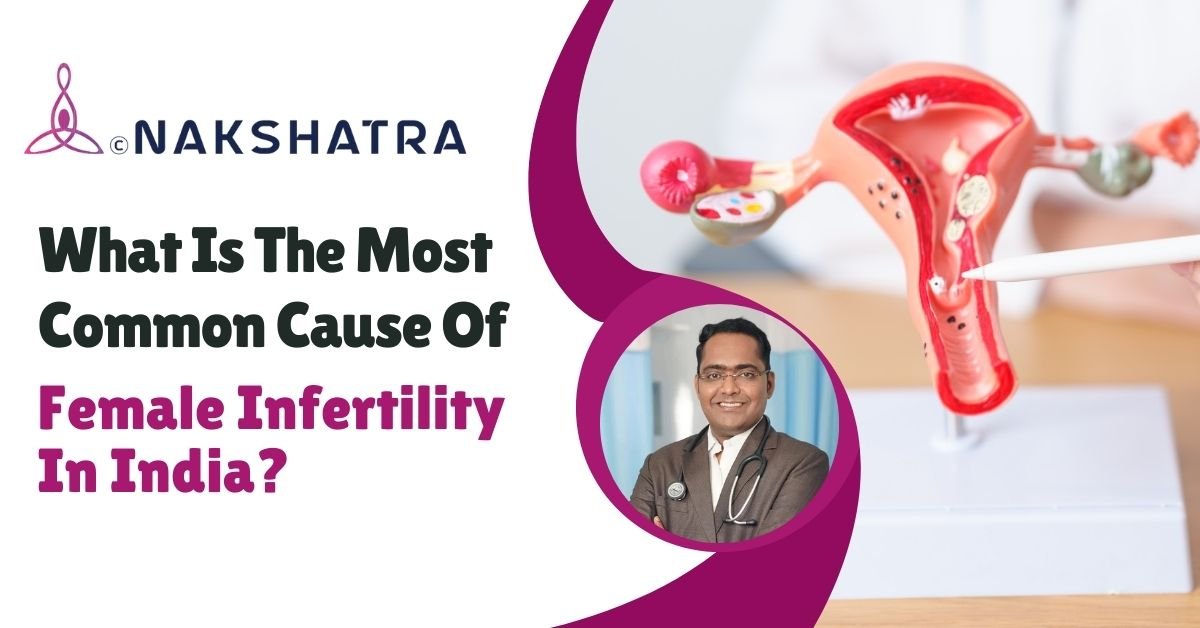
Among all the factors, Polycystic Ovary Syndrome (PCOS) stands out as the most common cause of female infertility in India, followed by several other medical and lifestyle conditions.
Understanding Female Infertility in India
What Is Female Infertility?
Female infertility refers to the inability to conceive after 12 months of regular, unprotected intercourse (or 6 months for women above 35). It may result from ovulation issues, hormonal imbalances, fallopian tube problems, uterine conditions, or lifestyle-related factors.
Infertility can be classified into:
- Primary infertility - when a woman has never conceived
- Secondary infertility - when a woman has conceived earlier but is unable to conceive again
How Common Is Infertility Among Indian Women?
Infertility is increasingly common in India due to changing lifestyles, delayed marriages, rising stress levels, and hormonal disorders. Urban women, in particular, are seeing higher infertility rates because of sedentary habits, irregular sleep patterns, and dietary changes. Increased awareness and better diagnostic tools have also led to more women seeking medical help earlier.
The 10 Most Common Causes of Infertility in Indian Females
Infertility is a growing concern among Indian women, influenced by medical, hormonal, lifestyle, and age-related factors. While the experience can feel overwhelming, understanding the most common causes of female infertility helps women take timely action and seek the right treatment. Many of these causes are diagnosable and treatable, especially when addressed early.
Below are the ten most common causes of infertility in Indian females, explained in a simple and informative way:
1. PCOS (Polycystic Ovary Syndrome)
PCOS is one of the leading causes of infertility in Indian women. It affects hormonal balance and disrupts regular ovulation, making it difficult for the ovaries to release eggs consistently. Women with PCOS often experience irregular periods, weight gain, acne, and difficulty conceiving without medical support.
2. Ovulation Disorders
Ovulation disorders occur when eggs are not released regularly or stop releasing altogether. This may be caused by hormonal imbalances, thyroid problems, excessive stress, or sudden weight changes. Since ovulation is essential for conception, irregular ovulation significantly reduces pregnancy chances but is often treatable.
3. Tubal Factor Infertility
Tubal factor infertility happens when the fallopian tubes are blocked or damaged, preventing the egg and sperm from meeting. In Indian women, this is commonly due to pelvic infections, untreated reproductive tract infections, or complications from previous surgeries affecting the reproductive system.
4. Endometriosis
Endometriosis occurs when tissue similar to the uterine lining grows outside the uterus. This condition can cause inflammation, pelvic pain, and fertility issues by affecting ovulation, egg quality, or implantation. Many women remain undiagnosed until they face difficulty conceiving.
5. Uterine Fibroids
Uterine fibroids are non-cancerous growths in or around the uterus. Depending on their size and location, fibroids can interfere with embryo implantation, distort the uterine cavity, or increase the risk of miscarriage. Fibroids are common and often manageable with proper treatment.
6. Age-Related Fertility Decline
Female fertility naturally declines with age. After 30, and more significantly after 35, egg quantity and quality decrease. This reduces the chances of natural conception and increases pregnancy-related risks. Delayed childbearing has become a major contributor to infertility in Indian women today.
7. Hormonal Imbalances
Hormonal issues such as thyroid disorders, elevated prolactin levels, or insulin resistance can disrupt menstrual cycles and ovulation. These imbalances interfere with egg development and release, making conception difficult. Early diagnosis and hormone regulation can significantly improve fertility outcomes.
8. Lifestyle Factors
Unhealthy lifestyle habits are a major but often overlooked cause of infertility. Obesity, poor nutrition, lack of physical activity, smoking, alcohol consumption, and chronic stress can negatively affect hormonal balance and reproductive health. Positive lifestyle changes can naturally improve fertility.
9. Pelvic Inflammatory Disease (PID)
Pelvic inflammatory disease is an infection of the female reproductive organs, usually caused by untreated infections. If left unmanaged, PID can lead to scarring, adhesions, and blocked fallopian tubes, significantly reducing the chances of natural conception.
10. Unexplained Infertility
Unexplained infertility is diagnosed when all medical tests appear normal, yet pregnancy does not occur. Although frustrating, many women with unexplained infertility conceive successfully with the right guidance and treatment. Advanced fertility care and timely intervention often lead to positive outcomes.
Lifestyle and Environmental Factors Affecting Female Fertility
Lifestyle plays a major role in reproductive health. High stress levels, irregular sleep patterns, poor diet, and lack of exercise can disrupt hormonal balance. Environmental exposure to pollutants and toxins may also impact fertility over time. At Nakshatra Clinic, lifestyle guidance is often an important part of fertility care, helping improve natural conception and treatment success.
Signs and Symptoms of Female Infertility
Some warning signs that should not be ignored include:
- Irregular or missed periods
- Severe pelvic pain or painful menstruation
- Hormonal symptoms such as acne or excessive hair growth
- Difficulty conceiving despite regular attempts
Early evaluation at Nakshatra Clinic can help identify these issues before they progress further.
Treatment Options for Female Infertility in India
Treatment depends on the cause and individual health factors. Options may include:
- Lifestyle and dietary changes
- Medications to stimulate ovulation
- Hormonal therapy
- Surgical treatment for uterine or tubal issues
- Assisted reproductive techniques such as IVF or ICSI
With the right approach, many women are able to conceive successfully.
Take the Next Step Toward Understanding Your Fertility
Female infertility can feel overwhelming, but the right information and timely medical guidance can make all the difference. Many causes of infertility are treatable, especially when identified early. Understanding what may be affecting your fertility is the first step toward regaining confidence and hope.
If you've been trying to conceive without success or are experiencing symptoms that concern you, seeking professional guidance can help you move forward with clarity. Women exploring female infertility treatment in Baner, Pune benefit from personalized evaluation, compassionate care, and treatment plans designed around their unique needs.
You don't have to navigate this journey alone. Taking action today whether it's an initial consultation, fertility assessment, or expert advice from Dr. Ramit Raosaheb Kamate can bring you one step closer to answers, reassurance, and possibilities for the future.