

Female infertility is a growing health concern in India, affecting women across age groups, backgrounds, and lifestyles. While motherhood is deeply valued in Indian culture, fertility challenges often remain unspoken due to stigma, emotional pressure, and lack of awareness. This silence can delay diagnosis and treatment, making the journey more stressful than it needs to be.
The reality is reassuring: female infertility is medically manageable in a large majority of cases. With scientific advancements, early intervention, and holistic care, many women successfully conceive and experience healthy pregnancies.
This detailed guide explores the 23 most common causes of female infertility in India, explains symptoms and diagnosis, and outlines successful treatment options available today.
Understanding Female Infertility
Female infertility refers to the inability to achieve pregnancy after:
- 12 months of regular, unprotected intercourse (under age 35)
- 6 months if the woman is over 35 years of age
Infertility may occur due to problems with ovulation, hormonal balance, reproductive organs, age-related decline, lifestyle factors, or chronic medical conditions. In many cases, multiple factors may coexist, making professional evaluation essential.
Primary vs Secondary Infertility: What’s the Difference?
Primary Infertility
No prior history of pregnancy. Common causes include PCOS, ovulation disorders, congenital abnormalities, or hormonal imbalance.
Secondary Infertility
Difficulty conceiving after one or more previous pregnancies. Often linked to age, infections, cesarean-related adhesions, weight changes, or chronic illnesses.
Both conditions are increasingly common in India and require careful evaluation rather than assumptions.
23 Common Causes of Female Infertility in India
Ovulation & Hormonal Causes
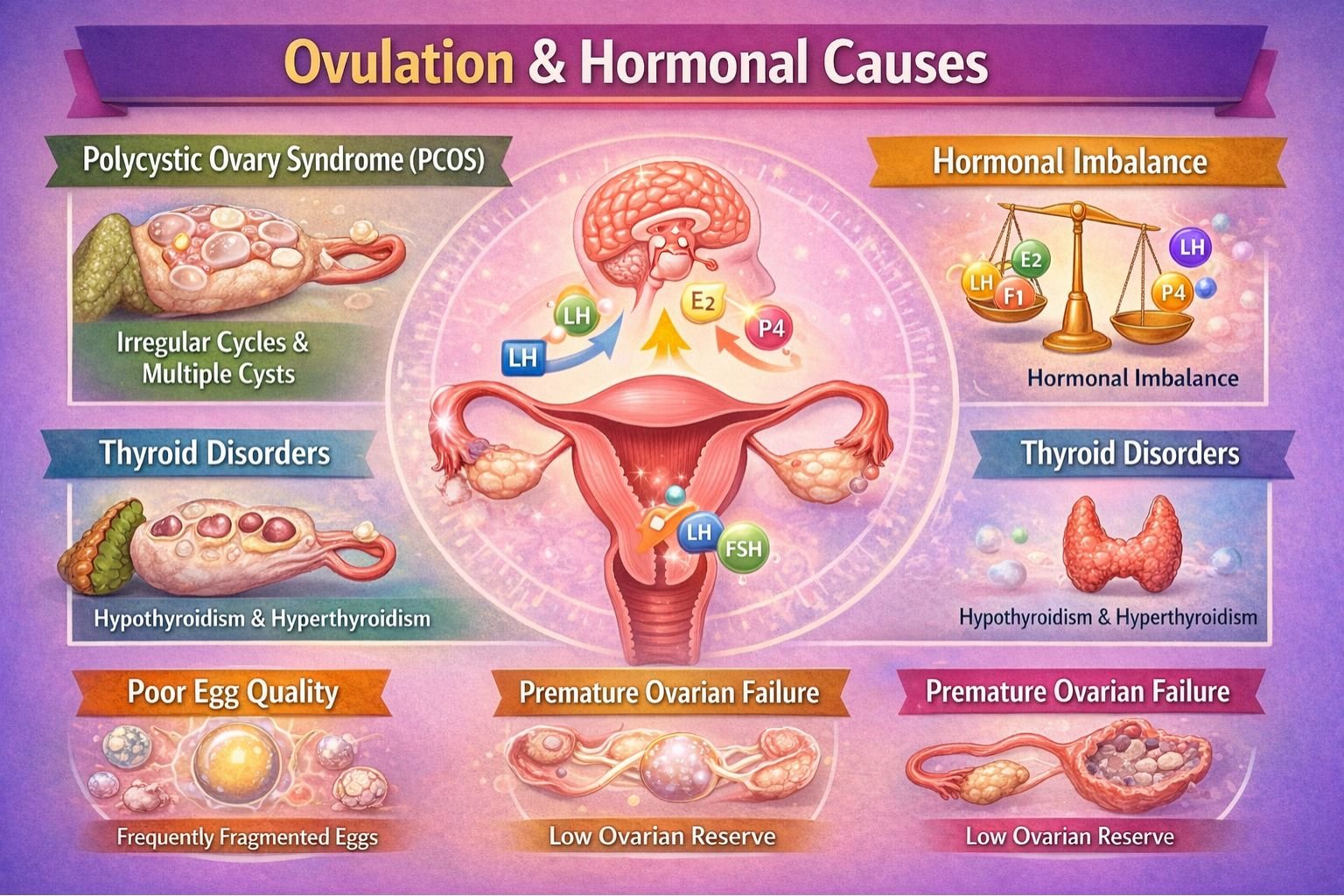
1. Polycystic Ovary Syndrome (PCOS)
PCOS is one of the most common causes of female infertility in India. It leads to hormonal imbalance, irregular or absent ovulation, and irregular menstrual cycles. Insulin resistance associated with PCOS further affects egg development and reduces the chances of natural conception.
2. Hormonal Imbalance
Hormonal imbalance involving estrogen, progesterone, LH, or FSH can disrupt ovulation and implantation. Stress, poor diet, thyroid disorders, and lifestyle factors often trigger these imbalances, making it difficult for the ovaries to release healthy eggs regularly.
3. Thyroid Disorders
Both hypothyroidism and hyperthyroidism interfere with menstrual cycles and ovulation. Thyroid disorders are very common among Indian women and, if left untreated, can significantly reduce fertility. Early diagnosis and medication usually restore normal reproductive function.
4. High Prolactin Levels (Hyperprolactinemia)
Excess prolactin hormone suppresses ovulation by interfering with reproductive hormones. This condition may be caused by pituitary gland disorders, stress, or certain medications, leading to irregular periods and difficulty conceiving.
5. Poor Egg Quality
Poor egg quality reduces the chances of fertilization and healthy embryo development. It is commonly associated with increasing age, lifestyle factors, smoking, and medical conditions. Even with regular ovulation, poor egg quality can result in infertility or repeated miscarriages.
6. Premature Ovarian Failure
Premature ovarian failure occurs when ovaries stop functioning before the age of 40. It may result from genetic conditions, autoimmune disorders, cancer treatments, or unknown causes, leading to low estrogen levels and infertility at an early age.
Uterine & Structural Causes
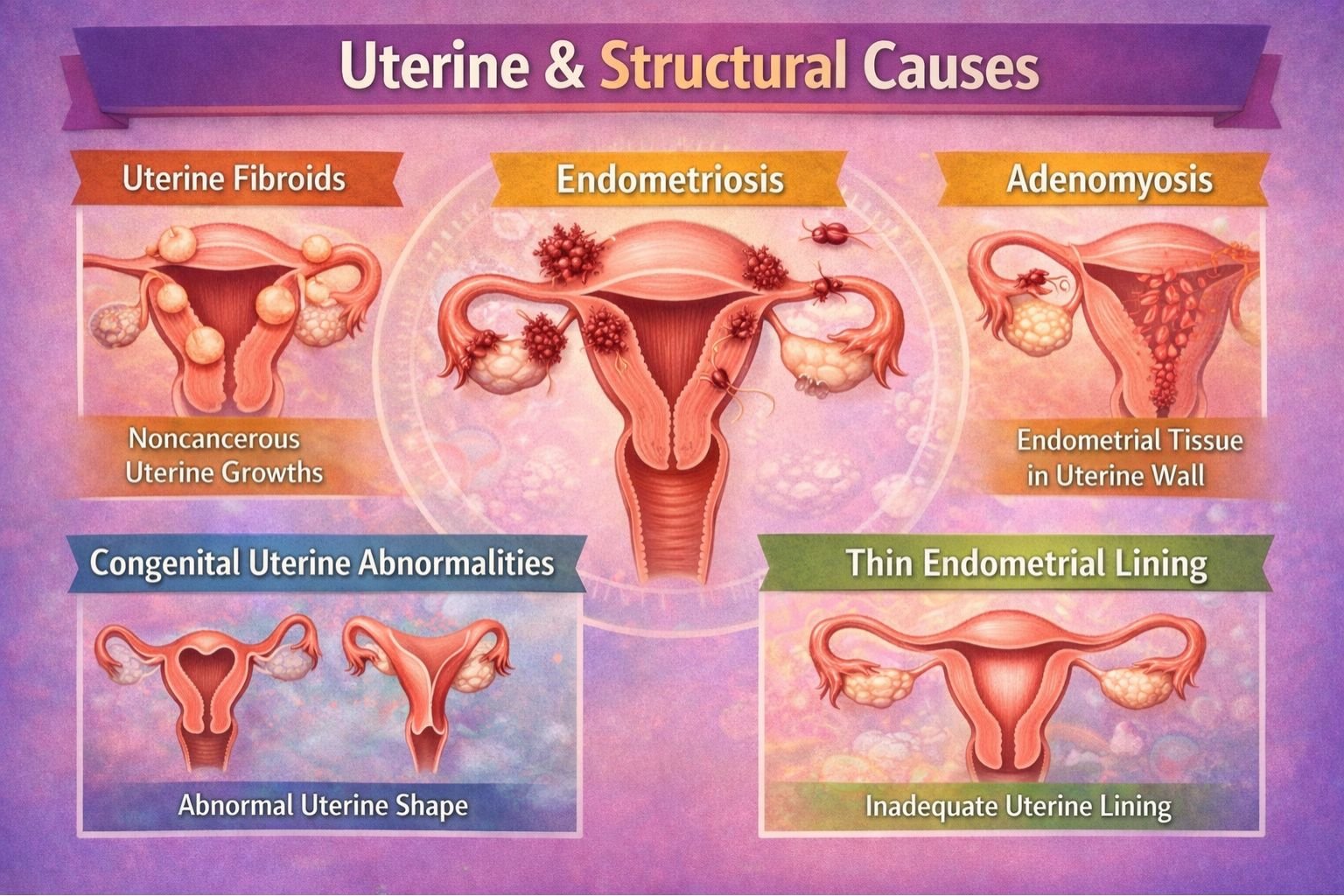
7. Uterine Fibroids
Uterine fibroids are non-cancerous growths that can interfere with fertility depending on their size and location. They may block fallopian tubes, distort the uterine cavity, or prevent embryo implantation, reducing the chances of successful pregnancy.
8. Endometriosis
Endometriosis occurs when tissue similar to the uterine lining grows outside the uterus. It causes inflammation, scarring, and pelvic pain, which can affect ovulation, fertilization, and implantation, making it a significant cause of infertility in Indian women.
9. Adenomyosis
Adenomyosis develops when the uterine lining grows into the muscular wall of the uterus. This condition can cause heavy, painful periods and reduce fertility by affecting implantation and overall uterine function.
10. Congenital Uterine Abnormalities
Some women are born with structural abnormalities of the uterus, such as a septate or bicornuate uterus. These abnormalities can interfere with embryo implantation, increase miscarriage risk, and reduce the chances of carrying a pregnancy to term.
11. Thin Endometrial Lining
A healthy uterine lining is essential for embryo implantation. Hormonal imbalance, infections, or repeated uterine procedures can lead to a thin endometrial lining, making it difficult for the embryo to attach and grow successfully.
Fallopian Tube–Related Causes
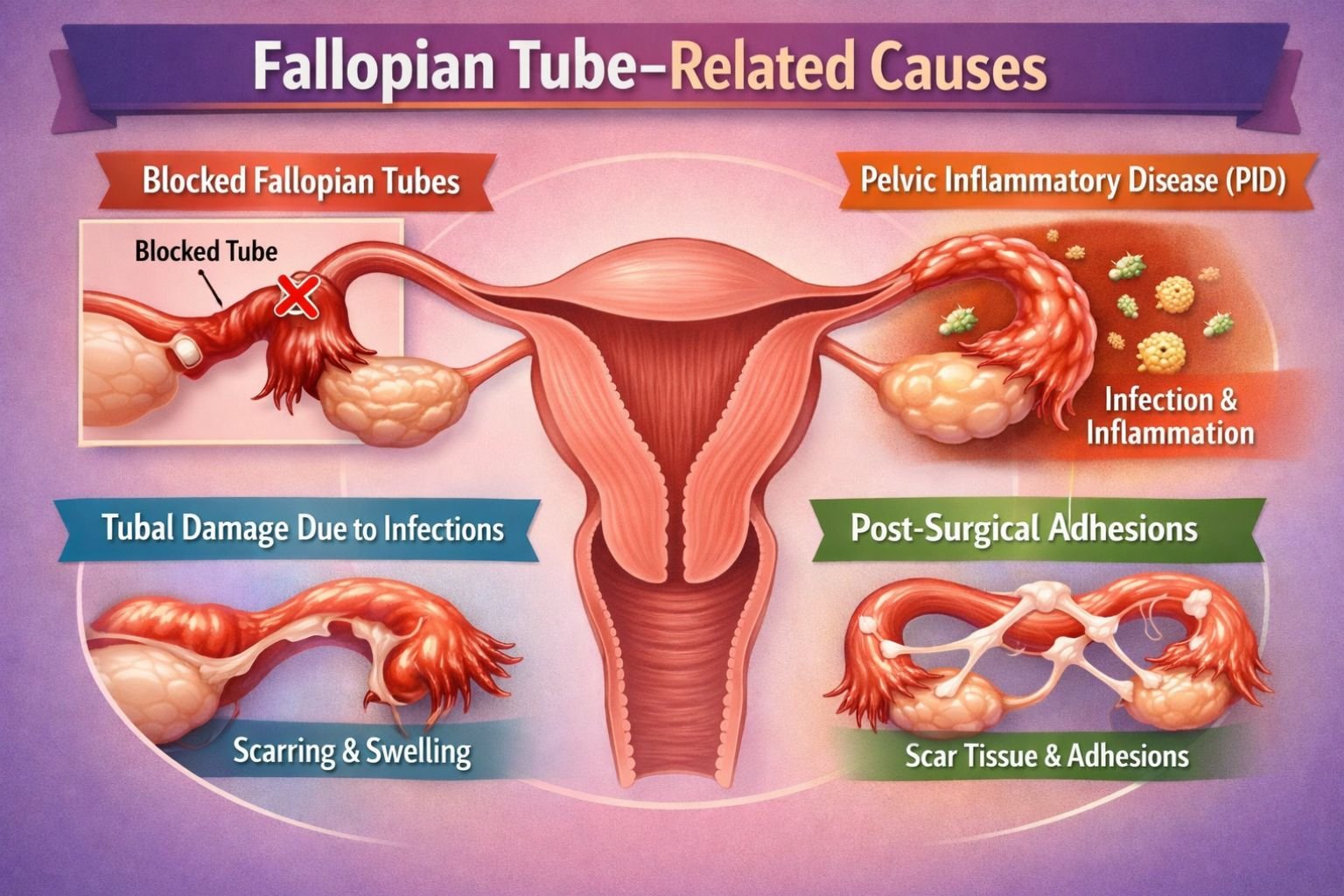
12. Blocked Fallopian Tubes
Blocked fallopian tubes prevent sperm from reaching the egg or stop the fertilized egg from reaching the uterus. This is a common infertility cause in India, often resulting from infections, inflammation, or previous surgeries.
13. Pelvic Inflammatory Disease (PID)
PID is caused by untreated bacterial infections that spread to the reproductive organs. It leads to inflammation and scarring of the fallopian tubes and uterus, often causing permanent damage and infertility if not treated early.
14. Tubal Damage Due to Infections
Infections such as genital tuberculosis, still prevalent in parts of India, can silently damage fallopian tubes and uterine lining. Many women remain asymptomatic until they face difficulty conceiving, making early detection challenging.
15. Post-Surgical Adhesions
Scar tissue formed after pelvic or abdominal surgeries, including cesarean sections or appendectomies, can block fallopian tubes or restrict egg movement. These adhesions interfere with fertilization and reduce natural conception chances.
Age & Lifestyle-Related Causes
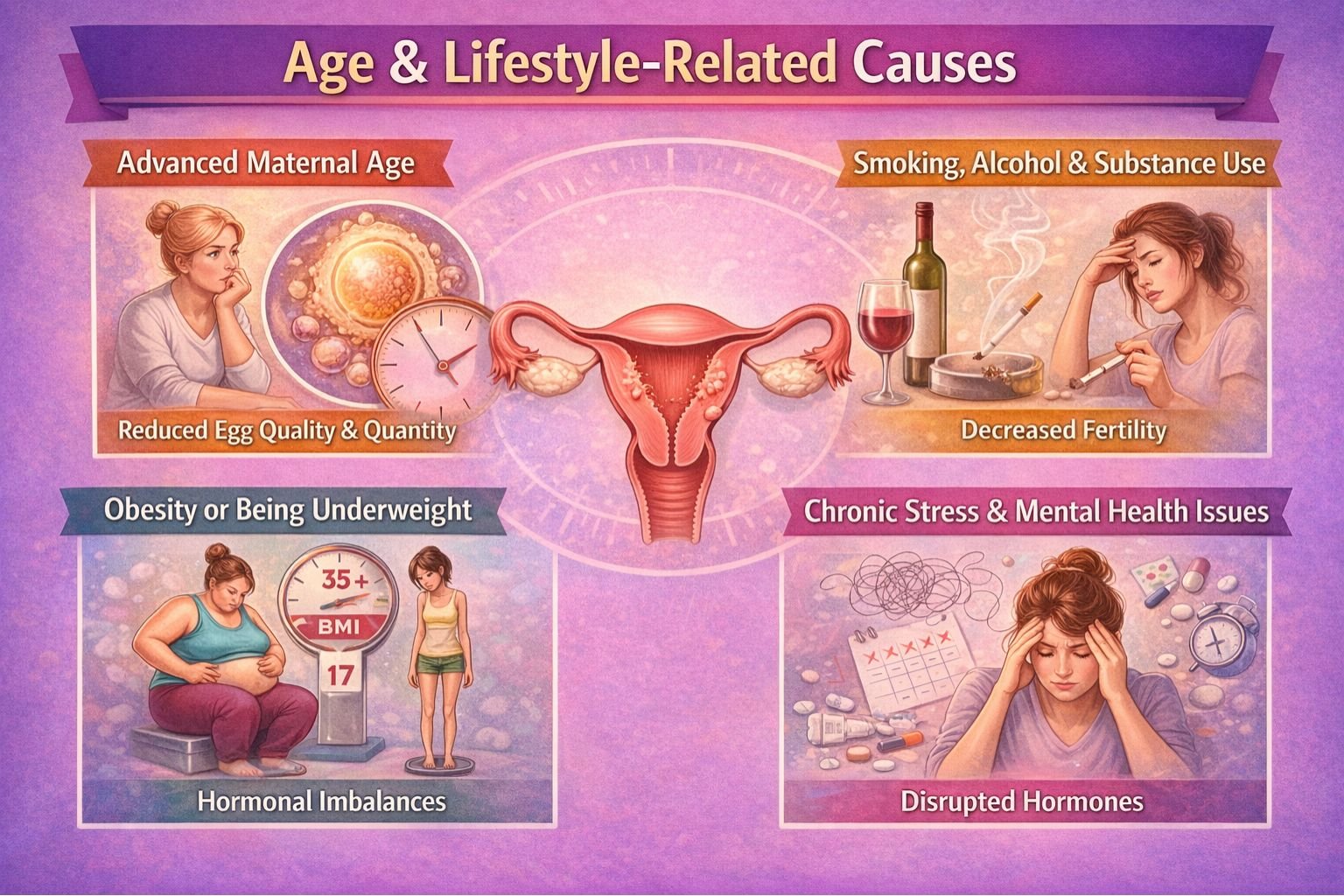
16. Advanced Maternal Age
Female fertility naturally declines with age, especially after 35. Egg quantity and quality decrease, increasing the risk of infertility, miscarriages, and chromosomal abnormalities, making conception more difficult with advancing age.
17. Obesity or Being Underweight
Both obesity and being underweight disrupt hormonal balance and ovulation. Obesity increases insulin resistance and PCOS risk, while being underweight can stop ovulation entirely, significantly affecting fertility in women.
18. Smoking, Alcohol & Substance Use
Smoking damages egg DNA, alcohol disrupts hormone levels, and substance abuse negatively affects reproductive health. These habits lower natural fertility and reduce the success rates of fertility treatments such as IVF and IUI.
19. Chronic Stress & Mental Health Issues
Chronic stress affects the hypothalamic-pituitary-ovarian axis, leading to irregular ovulation and missed periods. Anxiety and depression can further worsen hormonal imbalance, indirectly contributing to infertility in women.
Medical & Other Causes
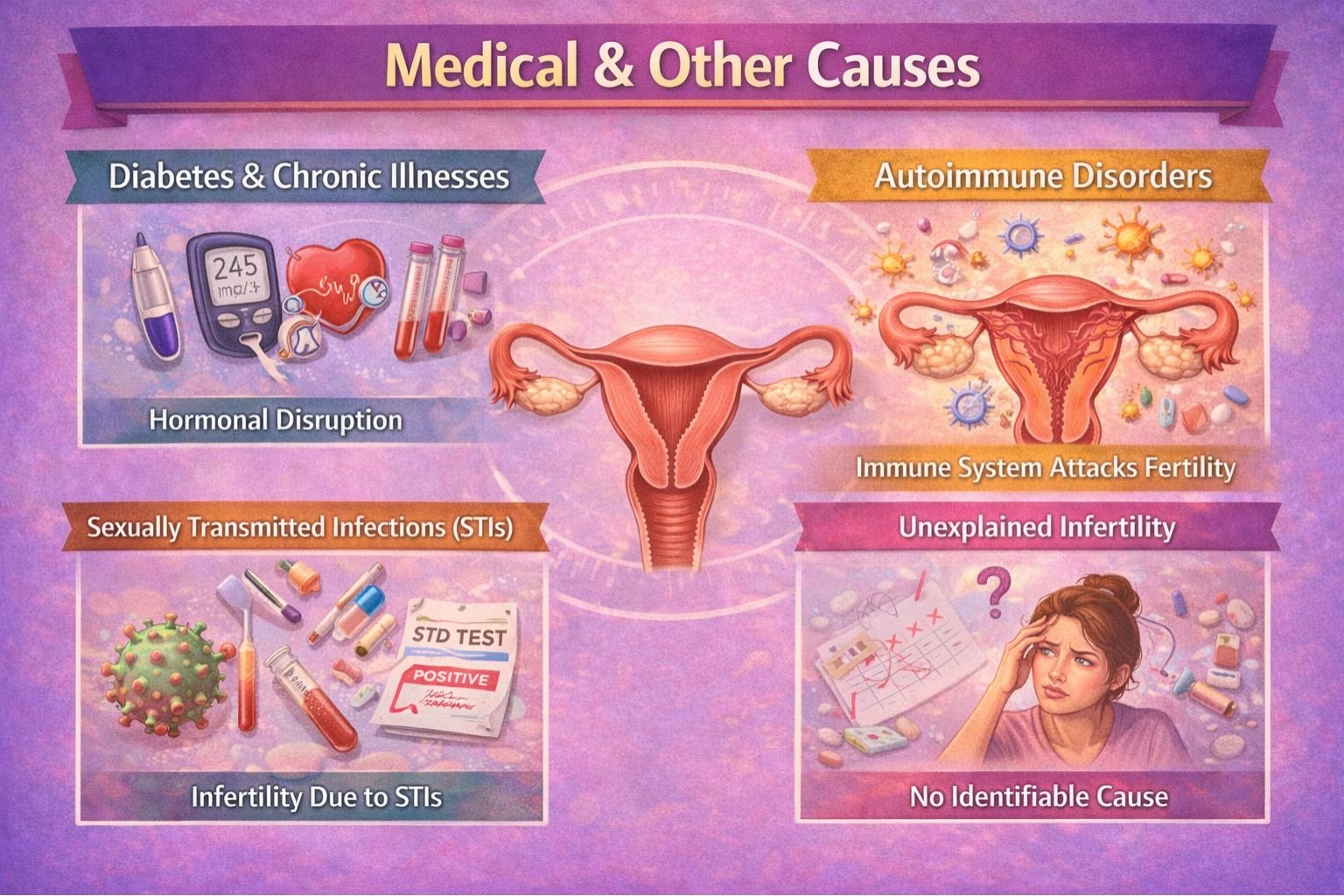
20. Diabetes & Chronic Medical Conditions
Poorly controlled diabetes, hypertension, and chronic illnesses affect ovulation, egg quality, and implantation. These conditions also increase pregnancy complications, making fertility management more complex without proper medical care.
21. Autoimmune Disorders
Autoimmune disorders cause the immune system to mistakenly attack reproductive tissues or embryos. This can interfere with implantation, damage ovaries, or cause repeated miscarriages, making conception difficult despite normal ovulation.
22. Sexually Transmitted Infections (STIs)
Untreated STIs like chlamydia and gonorrhea can silently damage fallopian tubes and uterus. Many women remain unaware until infertility is diagnosed years later, highlighting the importance of early testing and treatment.
23. Unexplained Infertility
In unexplained infertility, all tests appear normal, yet pregnancy does not occur. This condition can be emotionally frustrating, but many women successfully conceive through advanced fertility treatments such as IUI or IVF.
Common Symptoms of Female Infertility
- Irregular or absent periods
- Painful or heavy menstruation
- Excess facial hair or acne
- Hormonal fluctuations
- Recurrent miscarriages
- Difficulty conceiving despite regular attempts
Recognizing these symptoms early can lead to faster diagnosis and better outcomes.
How Female Infertility Is Diagnosed
Diagnosis usually involves a combination of:
- Hormonal blood tests
- Pelvic ultrasound
- HSG test to check fallopian tube blockage
- Laparoscopy or hysteroscopy
- Ovulation tracking
At Nakshatra Clinic, fertility assessment focuses on identifying the root cause and avoiding unnecessary or repetitive treatments, an approach commonly emphasized by experienced specialists such as Dr. Ramit Raosaheb Kamate, who advocates personalized and evidence-based fertility care.
Successful Treatment Options for Female Infertility in India
Medical Treatments
- Ovulation-inducing medications
- Hormonal therapy
Surgical Treatments
- Fibroid removal
- Endometriosis surgery
- Tubal blockage correction
Advanced Fertility Treatments
- IUI (Intrauterine Insemination)
- IVF (In Vitro Fertilization)
- ICSI procedure
- Egg freezing for fertility preservation
India offers advanced fertility care with high success rates and relatively affordable costs. Clinics like Nakshatra Clinic focus on evidence-based treatments combined with compassionate care.
Natural & Lifestyle Remedies to Improve Fertility
While medical treatment is essential, lifestyle changes can significantly enhance results:
- Balanced fertility-friendly diet
- Maintaining a healthy weight
- Yoga and moderate exercise
- Stress management and meditation
- Supportive Ayurveda (as complementary care)
When Should You Consult a Fertility Specialist?
- Trying to conceive for over one year (under age 35)
- Trying for six months if above 35
- Irregular menstrual cycles or severe pelvic pain
- Known PCOS, thyroid disorders, or endometriosis
Early consultation improves outcomes and reduces emotional strain.
Moving Forward with Confidence and Care
Female infertility can feel overwhelming, but it is not a dead end. With early diagnosis, modern treatment options, lifestyle improvements, and emotional support, many women in India achieve successful pregnancies.
Choosing the right guidance and timely care can make all the difference and taking the first step today may bring you closer to the future you hope for.