
Male fertility plays a crucial role when couples are trying to conceive. While much attention is often placed on female fertility, male reproductive health is just as important. One of the most significant factors affecting male fertility is sperm count and sperm quality. If the number of healthy sperm is low, it can make conception more difficult.
The good news is that in many cases, sperm count can be improved naturally through lifestyle changes, a healthy diet, proper sleep, and stress management. Many men experience temporary fertility issues due to everyday habits that unknowingly affect sperm production. Fertility specialists at clinics such as Nakshatra Clinic often emphasize that simple lifestyle improvements can significantly support male reproductive health.
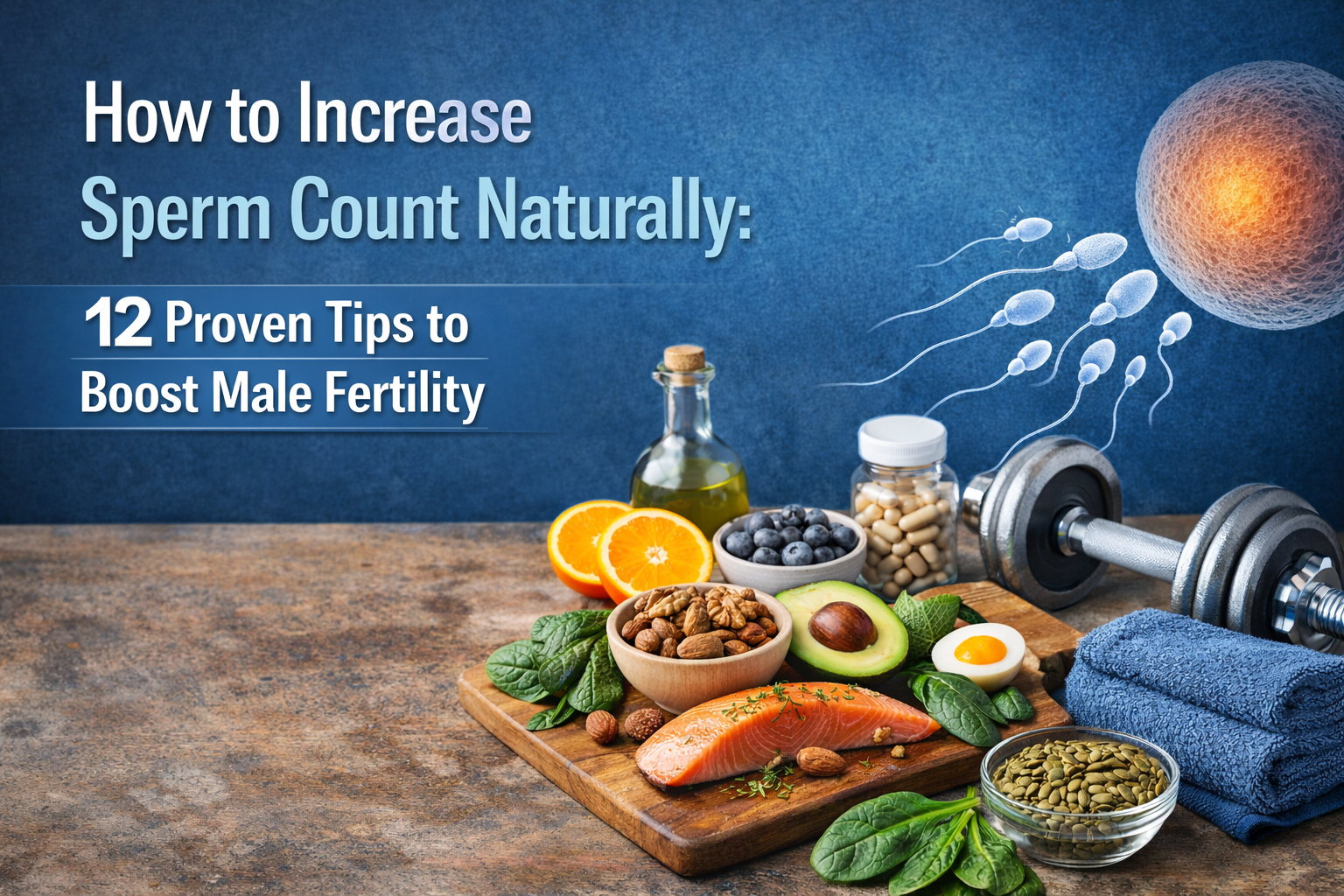
In this guide, we will explore how to increase sperm count naturally using scientifically backed strategies. These 12 proven tips to boost male fertility can help improve sperm health, motility, and overall reproductive wellness.
Understanding Sperm Count and Male Fertility
Before discussing ways to increase sperm count, it's important to understand how sperm health affects fertility.
What is Sperm Count?
Sperm count refers to the number of sperm present in a man's semen. It is one of the most important indicators of male fertility.
A normal sperm count is typically considered:
- 15 million or more sperm per milliliter of semen
If sperm levels fall below this range, it may be classified as low sperm count (oligospermia).
However, sperm count alone does not determine fertility. Other factors also matter, such as:
- Sperm motility (ability to swim properly)
- Sperm morphology (shape and structure)
- Semen volume
Healthy sperm must be able to reach and fertilize the egg, which is why overall sperm quality is essential.
Why Sperm Health Matters for Pregnancy
For successful fertilization, sperm must travel through the female reproductive system and reach the egg. When sperm count or sperm motility is low, the chances of pregnancy decrease.
Healthy sperm improves the chances of:
- Natural conception
- Successful fertility treatments
- Healthy embryo development
Improving sperm quality naturally can significantly enhance fertility outcomes.
Common Causes of Low Sperm Count
Several lifestyle and environmental factors can negatively affect sperm production. Understanding these causes can help men take steps to improve fertility.
Poor Diet
A poor diet lacking essential nutrients can negatively affect sperm production and overall reproductive health. Men who consume high amounts of processed foods, sugar, and unhealthy fats may experience reduced sperm quality. Nutrients like zinc, antioxidants, folic acid, and vitamin C are important for healthy sperm development and improved fertility.
Smoking and Alcohol Consumption
Smoking and excessive alcohol intake can significantly reduce sperm count and sperm quality. Tobacco contains harmful chemicals that damage sperm DNA and reduce motility. Similarly, heavy alcohol consumption can lower testosterone levels and interfere with sperm production, ultimately affecting male fertility and reducing the chances of successful conception.
Chronic Stress
Long-term stress can interfere with the hormones responsible for sperm production. When the body experiences high stress levels, it releases cortisol, which can negatively affect testosterone levels. Hormonal imbalances caused by stress may reduce sperm count, decrease sperm quality, and impact overall reproductive health.
Obesity and Excess Weight
Being overweight or obese can disrupt hormone balance and reduce testosterone levels in men. Excess body fat may increase estrogen levels, which can negatively affect sperm production. Maintaining a healthy weight through regular exercise and a balanced diet can help improve sperm count and overall fertility.
Heat Exposure to Testicles
The testicles require a slightly cooler temperature than the rest of the body for optimal sperm production. Frequent exposure to heat sources such as hot tubs, saunas, tight underwear, or laptops placed on the lap can increase scrotal temperature, which may lower sperm count and reduce sperm quality.
Exposure to Environmental Toxins
Environmental toxins such as pesticides, heavy metals, industrial chemicals, and plastics containing BPA can negatively affect sperm production. These substances may interfere with hormone balance and damage sperm cells. Reducing exposure to harmful chemicals and adopting healthier lifestyle habits can help protect male reproductive health.
12 Proven Tips to Increase Sperm Count Naturally
If you're wondering how to increase sperm count naturally, the following tips can significantly improve sperm health and male fertility.
1. Eat Foods That Increase Sperm Count
Nutrition plays a vital role in sperm production. Certain foods are rich in antioxidants and nutrients that support sperm health.
Foods that help increase sperm count include:
- Leafy green vegetables
- Citrus fruits
- Nuts and seeds
- Fatty fish
- Whole grains
These foods contain antioxidants that protect sperm from oxidative stress.
2. Follow a Healthy Male Fertility Diet
A balanced diet supports hormone production and reproductive health.
A fertility-friendly diet should include:
- Lean proteins
- Healthy fats
- Whole grains
- Fruits and vegetables
Avoid excessive processed foods, sugar, and trans fats as they may negatively affect sperm quality.
3. Take Essential Vitamins and Minerals
Certain vitamins and minerals are particularly important for sperm production.
Key nutrients for male fertility include:
- Zinc- supports testosterone production
- Vitamin C- improves sperm motility
- Vitamin D- supports hormone balance
- Folic Acid- improves sperm quality
- Selenium- protects sperm cells from damage
Getting these nutrients through food or supplements can help improve sperm health naturally.
4. Exercise Regularly
Regular physical activity helps maintain healthy hormone levels and improves blood circulation.
Moderate exercise can:
- Increase testosterone levels
- Improve sperm production
- Support overall reproductive health
Activities such as walking, strength training, and cycling can benefit male fertility. However, excessive intense workouts may have the opposite effect.
5. Manage Stress Effectively
Chronic stress can interfere with hormones responsible for sperm production.
Stress management techniques include:
- Meditation
- Yoga
- Deep breathing
- Regular physical activity
Reducing stress helps maintain hormonal balance and improve sperm health.
6. Maintain a Healthy Weight
Obesity can reduce testosterone levels and affect sperm production.
Maintaining a healthy weight can:
- Improve sperm count
- Increase testosterone levels
- Improve fertility outcomes
Healthy eating and regular exercise are key factors in weight management.
7. Get Enough Sleep
Sleep plays an important role in hormone regulation.
Men who consistently get 7-8 hours of quality sleep tend to have better testosterone levels and healthier sperm production.
Poor sleep can lead to hormonal imbalance, which negatively impacts fertility.
8. Avoid Smoking and Limit Alcohol
Smoking is strongly linked to reduced sperm count and poor sperm quality. Tobacco chemicals can damage sperm DNA and decrease motility.
Excessive alcohol consumption can also:
- Lower testosterone levels
- Reduce sperm production
- Affect reproductive hormones
Limiting these habits can significantly improve fertility.
9. Reduce Heat Exposure
The testicles require a slightly cooler temperature than the rest of the body to produce healthy sperm.
Avoid:
- Prolonged hot baths
- Saunas
- Tight underwear
- Keeping laptops directly on the lap
Reducing heat exposure helps maintain optimal conditions for sperm production.
10. Stay Hydrated
Hydration is often overlooked when discussing male fertility. Proper hydration helps maintain semen volume and overall reproductive health.
Drinking enough water daily supports bodily functions and improves semen quality.
11. Avoid Environmental Toxins
Exposure to harmful chemicals can damage sperm and reduce fertility.
Common sources include:
- Pesticides
- Plastic containers containing BPA
- Industrial chemicals
- Pollution
Reducing exposure to toxins can help protect reproductive health.
12. Consider Natural Fertility Supplements
Some natural supplements may help improve sperm production and motility.
Popular fertility supplements include:
- Coenzyme Q10
- Omega-3 fatty acids
- Ashwagandha
- Maca root
Before taking supplements, it is always best to consult a healthcare professional. Fertility experts at Nakshatra Clinic often recommend personalized guidance before starting any supplement routine.
Best Foods to Improve Sperm Count and Motility
Certain foods are especially beneficial for male fertility.
Fertility-Boosting Foods
- Eggs
- Walnuts
- Spinach
- Bananas
- Garlic
- Pumpkin seeds
- Dark chocolate
These foods contain antioxidants and nutrients that support sperm production and protect reproductive health.
Lifestyle Habits That Damage Sperm Health
While focusing on fertility-boosting habits, it's equally important to avoid behaviors that harm sperm health.
Habits that may reduce sperm count include:
- Sedentary lifestyle
- Junk food consumption
- Drug use
- Chronic stress
- Excess caffeine intake
Making positive lifestyle changes can significantly improve fertility outcomes.
How Long Does It Take to Increase Sperm Count Naturally?
Sperm production follows a cycle of approximately 70-90 days. This means that lifestyle changes may take about two to three months to show noticeable improvements. Consistency is key. Maintaining healthy habits over time can gradually improve sperm count and overall fertility.
When to See a Doctor for Low Sperm Count
While many cases improve naturally, medical guidance may be necessary if:
- Pregnancy has not occurred after 12 months of trying
- There are hormonal symptoms
- There is a known reproductive health condition
A healthcare professional can evaluate sperm health through tests and recommend appropriate treatment options.
Frequently Asked Questions
1. Can sperm count be increased naturally?
Yes, sperm count can often be improved naturally through healthy lifestyle changes. Eating a balanced diet rich in essential nutrients, and avoiding smoking, alcohol, and environmental toxins, plays an important role in improving sperm health and overall male fertility.
2. Which foods increase sperm count quickly?
Foods rich in vitamins, minerals, and antioxidants can help support sperm production. Examples include:
- Walnuts
- Spinach
- Eggs
- Bananas
- Pumpkin seeds
- Citrus fruits
- Fatty fish
These foods provide nutrients like zinc, omega-3 fatty acids, and vitamin C, which are known to improve sperm quality and support healthy sperm development.
3. How can I improve sperm motility naturally?
Improving sperm motility naturally involves maintaining a healthy lifestyle. Regular exercise, a nutritious diet, and proper hydration can support better sperm movement. Reducing stress, avoiding smoking, limiting alcohol intake, and consuming antioxidant-rich foods can also help protect sperm cells and improve their ability to swim effectively.
4. What vitamin is best for sperm production?
Several vitamins and minerals play an important role in sperm production. Zinc, Vitamin C, Vitamin D, Folic Acid, and Selenium are especially beneficial for male fertility. These nutrients support hormone balance, protect sperm cells from damage, and improve sperm quality, motility, and overall reproductive health.
5. How long does it take to improve sperm quality?
Sperm production follows a natural cycle that typically takes about 70 to 90 days. Because of this, lifestyle changes such as improved diet, exercise, and stress management may take around two to three months to show noticeable improvements in sperm count, motility, and overall sperm quality.
Conclusion
Male fertility is influenced by several factors, including diet, lifestyle habits, stress levels, and overall health. The encouraging news is that many of these factors can be improved through natural methods.
By following the 12 proven tips to increase sperm count naturally, men can improve sperm health, boost fertility, and enhance the chances of successful conception.
Small lifestyle changes such as eating nutritious foods, exercising regularly, managing stress, and avoiding harmful habits can make a significant difference in reproductive health over time. If you continue to experience fertility concerns, consulting a specialist or visiting a trusted fertility center like Nakshatra Clinic can help you receive personalized advice and appropriate treatment options.